The Four-Season Grower
Start from seed, succession-plant, and grow straight through winter
The final level breaks the frame of a single growing season. You start plants from seed indoors weeks before spring, refill every harvested gap with succession sowings, and keep herbs and greens producing under lights while snow sits on the beds. Level 5 gardeners buy seeds, not seedlings — and eat from the garden in February.
You're at this level if…
- The six-packs at the garden center now feel limiting and expensive
- Your beds sit empty from October to May and it bothers you
- You want varieties no nursery nearby sells
Your next task
Count back from your last frost date
Take two seed packets, find the weeks-before-frost figure on each, and count back from your average last spring frost. Write both sowing dates on your calendar.
Your progress
3 milestones finish this level. Tick them off as you go.
See the milestones ↓Saved on this device only. No account.
What this level teaches
4 short lessons, in order. Each ends with one thing to try.
Seed starting is a light problem
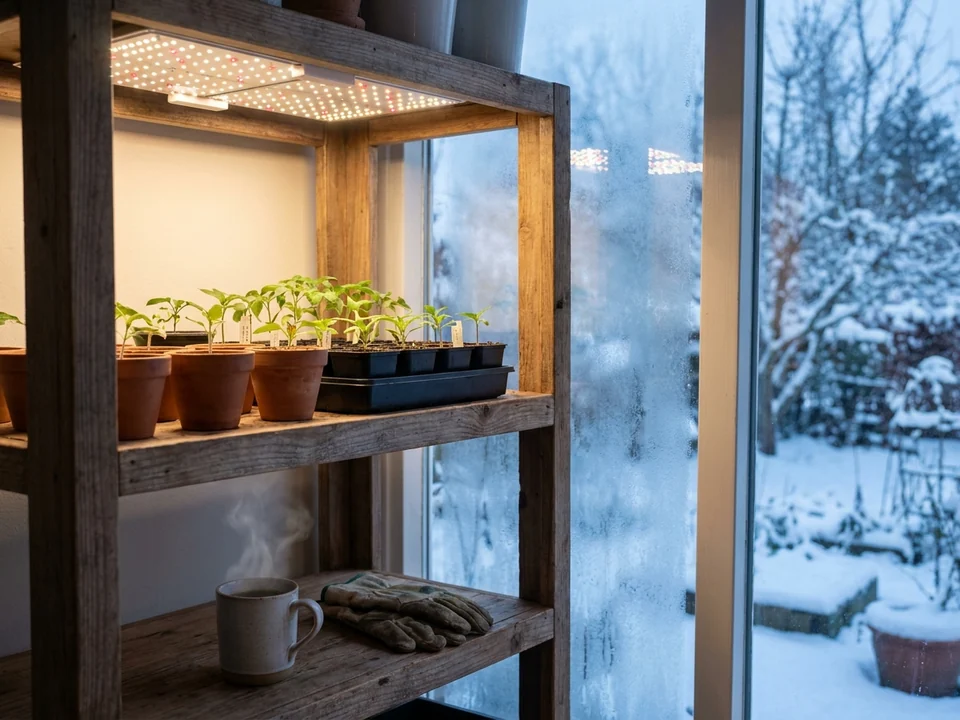
A sunny window makes leggy, heartbroken seedlings; a cheap LED panel a few inches above the trays makes stocky ones that transplant like champions. Add a heat mat with a thermostat for germination, and the same setup keeps working spring after spring. Timing runs backward from your last-frost date, crop by crop.
Try it now: Count backward from your last-frost date using the weeks printed on a seed packet, and write the resulting sowing date on your calendar. Do it for two crops. Those dates, not enthusiasm, run seed starting.
Succession is the second harvest
The June gap where the lettuce bolted is not the end of lettuce — it's an empty seat. Sow a short row of something every two weeks and refill every gap the day you clear it. The same bed that gave you one salad season gives you three, and fall carrots sweetened by frost beat anything summer grew.
Try it now: Walk your beds and find every gap and every plant about to finish. Write down the date each one clears. Those dates are your next sowings, so pencil a short row against each before the space slips your mind.
Winter is an indoor season, not an off-season
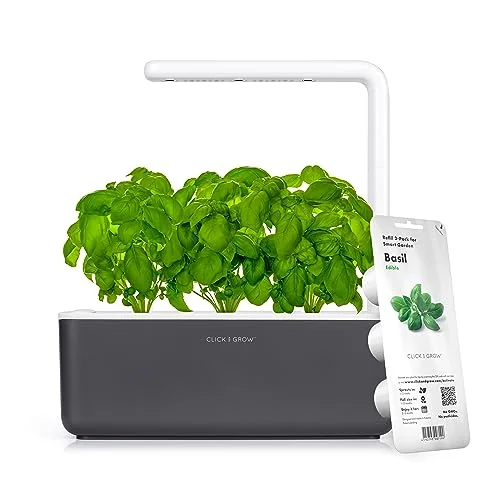
Herbs and cut-and-come-again greens run all winter under the same grow light that started your seedlings, or in a countertop hydroponic garden earning its counter space in the dark months. The gear you bought for March mornings works a second shift from November to February.
Try it now: List the gear you already own that could work a second shift indoors this winter: a grow light, spare trays, a free shelf. Then name one herb or green you would genuinely eat in January and choose its spot.
Close the year with a plan, not a collapse
The four-season habit that matters most costs nothing: a garden notebook. What varieties earned their bed, what failed, what dates actually worked in your yard — written in October, read in January with the seed catalogs open. Your notes beat any generic calendar, because they're a calendar of your actual garden.
Try it now: Start the notebook tonight with a single page: this year's varieties, which ones earned their bed, and the dates that actually worked in your yard. A half-remembered page now beats a blank one in January.
The mistakes everyone makes here
Starting seeds too early
February tomatoes for a May garden become root-bound, flowering prisoners on a windowsill. Bigger transplants are not better transplants — count backward from last frost by the packet's week count and sit on your hands until the math says go.
Scaling variety before scaling notes
Forty varieties with no records is a season of anecdotes; twelve varieties with notes is a breeding program. The notebook, not the seed order, is what makes year five different from year two.
What Level 5 needs
Level 5 gear runs year-round or not at all: trays and a heat mat that work every spring, a grow light that starts seedlings in March and grows salad in December, a smart garden for the counter if the basement setup isn't your style. Cost-per-use collapses when the equipment never really gets put away.
What you need
3 thingsSeed trays and fresh seed-starting mix
Clean trays and a fine, sterile mix help avoid seedlings collapsing at the soil line.
Scored picks: Seed Starting →A grow light on a timer
A windowsill alone rarely grows sturdy seedlings in late winter.
Scored picks: Grow Lights →A garden notebook
Varieties, sowing dates and results. It is what makes next year easier.
Already have something that does the job? Use it — none of this needs to be new.
Optional shortcuts
Not needed to finish this level. Paid extras that can make a step easier, each with a trade-off.
A seedling heat mat
Speeds germination for warmth-loving crops like peppers and tomatoes.
Scored picks: Seed Starting →A countertop smart garden
Fresh herbs through winter without a basement setup.
Top-scored Smart GardensSmart Garden 383$124.95
Scored picks for what you need
Our top-ranked listing in each gear category on the list above — ranked from research, not hands-on testing. An ordinary version you already own works too.
$96.33 is the listed prices of the scored picks — excludes soil, plants and anything you already own.
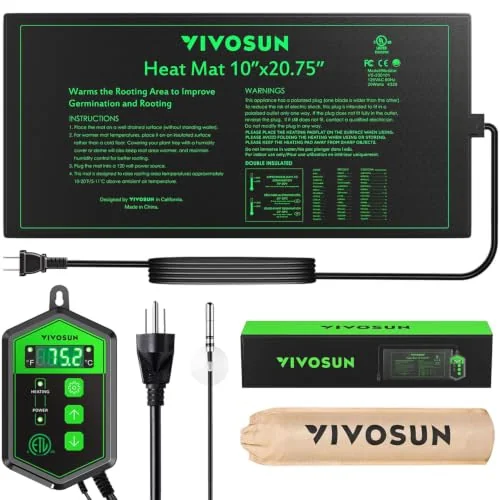
The single best germination upgrade: a water-resistant 10×20.75-inch mat held at your set temperature by a probe thermostat, so peppers sprout in days instead of weeks.
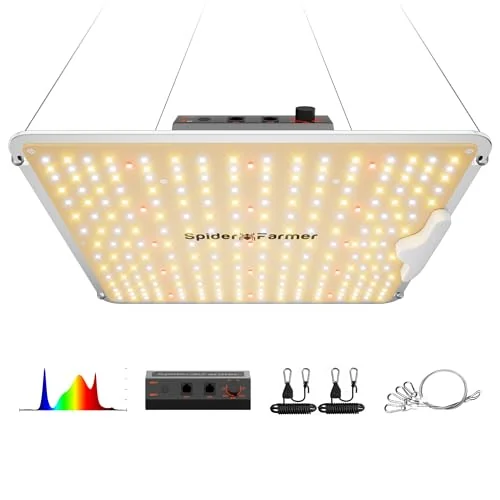
The default recommendation for a 2x2 space: a dimmable driver and honest published specs — around 100 real watts doing full-cycle work.
Every scored pick for this level: Seed Starting Kits & Heat Mats · LED Grow Lights · Indoor Smart Gardens
Guides for this level
Electric Snow Shovel vs Snow Blower: Choose by the Job
An electric snow shovel suits steps and short walks; a blower fits driveways. Compare four machines by snow depth, power source, and the plow ridge.
6 min read
Watering Seedlings: How to Do It Without Killing Them
Bottom watering, dome timing, misting myths, and a stage-by-stage schedule so your seedlings do not drown, wilt, or collapse from damping off.
6 min read
How Far Should Grow Lights Be From Seedlings? Setup Guide
Starting distances by fixture type, the hand test, leggy versus bleached symptoms, and how many hours to run lights so seedlings grow stocky not leggy.
6 min read
What Smart Garden Pods Really Cost You Over a Year
Smart garden pods look cheap until you buy the fourth pack. Here is how pod costs, refills and cost-per-harvest really compare to a grow light and a pot.
5 min read
7 Seed Starting Mistakes Beginners Make (and the Fixes)
The seven seed starting mistakes that ruin beginner flats, from sowing too early to skipping hardening off, plus a crop-by-crop indoor timing table.
5 min read
Growing Herbs Indoors in Winter: What Actually Works
Which herbs survive a winter indoors, how much light they really need, what smart garden pods cost over time, and the watering and harvest rhythm.
5 min read
What's next
Your garden now grows through every season. The next step reaches past the beds: hens that eat pests and feed the compost, and bees that work the flowers. That's Level 6, The Living Yard.