The Living Yard
Hens that eat the pests and feed the compost, bees that work the beds
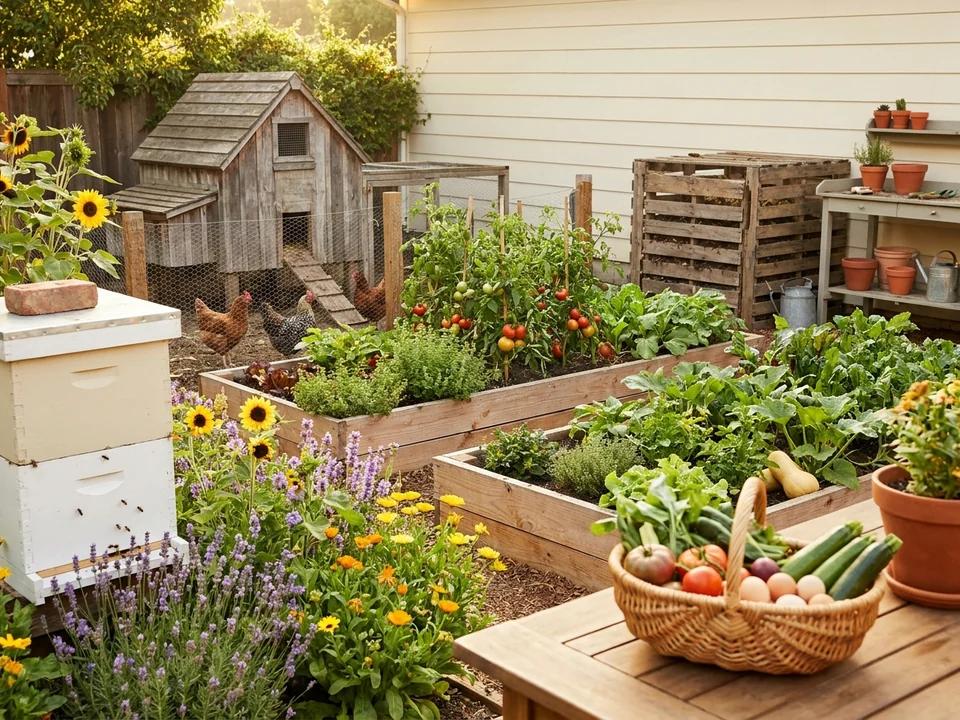
Level 6 adds animals to the system you built. A few hens turn scraps, weeds and bugs into eggs and nitrogen-rich bedding for the compost pile. A hive of bees works the flowers your beds depend on. Both are daily commitments that live outside all year, so this level starts with rules, space and an honest look at your time.
You're at this level if…
- Your compost runs well and you want more nitrogen going into it
- Your garden runs through the seasons and you have room for a daily chore
- You've watched a neighbor's hens or a local hive and started asking questions
Your next task
Read your local rules on hens and bees
Look up your city or county code and your HOA covenants for poultry and beekeeping. Write down flock limits, rooster rules, setbacks and permit steps before you price a single coop.
Your progress
3 milestones finish this level. Tick them off as you go.
See the milestones ↓Saved on this device only. No account.
What this level teaches
5 short lessons, in order. Each ends with one thing to try.
Rules before hens or hives
Before you buy anything, read your city or county code and your HOA covenants. University of Minnesota Extension notes some cities require a permit or limit flock size, and some don't allow poultry at all. Rooster bans, setbacks and bee rules vary just as much. The code decides what you can keep, not a forum post.
Try it now: Search your city or county code for poultry, chickens and bees, then read your HOA covenants for animal rules. Write down every limit you find and the office to call with questions, before you price anything.
Size the coop by the birds, not the box
University of Minnesota Extension suggests 3 to 5 square feet of indoor space per bird, and small-flock extension guidance adds about 10 square feet of outdoor run per hen. Crowded hens peck at each other. Kit coops often advertise more birds than those numbers allow, so do the math on the listing's dimensions.
Try it now: Measure the corner of your yard where a coop would go and multiply length by width. Divide by 14, roughly the combined house and run space per hen, and write down the flock size that space really holds.
Close the loop through the compost pile
Hens scratch up grubs and weed seeds, and their manure and bedding add rich nitrogen to compost. Raw chicken manure can burn plants, though, and can carry pathogens like Salmonella. University of Nevada Extension says to compost or age it first, then apply it at least 90 days before harvesting crops that don't touch soil, and 120 days before crops that do.
Try it now: Choose where a second compost bin for coop bedding would sit, away from your salad beds. Then mark two dates on your calendar: 120 days before your first lettuce harvest and 90 days before your first tomatoes.
A first hive, and when not to start one
Wild and neighborhood bees already visit your beds, so a hive is a hobby, not a garden requirement. Skip it if anyone at home has had a severe sting reaction, if the only spot backs onto a neighbor's patio, or if you can't commit to regular inspections. Otherwise, extension guidance says take a class, find a mentor, and don't expect honey in year one.
Try it now: Find your nearest beekeeping club and look up its next beginner class or open-hive day. Put one question on your list for that meeting: where do members buy local bees, and when do spring orders close?
Predators work the night shift
University of Minnesota Extension lists raccoons, rats, owls, hawks and cats as main chicken predators. Chicken wire keeps hens in but isn't predator-proof. Small-flock extension guidance says to use welded hardware cloth buried about 12 inches deep, lock the flock in a secure house every night, and leave no food in the run.
Try it now: Walk around your planned coop spot at dusk and list every gap, every place a digger could tunnel under, and every open section overhead. That list becomes your hardware cloth plan before a single hen arrives.
The mistakes everyone makes here
Buying the coop the listing says fits six
Kit coops are sold on a bird count that extension space guidance rarely supports. Buy by square feet, plan for a walk-in run, and expect a coop labeled for six hens to comfortably hold far fewer. Crowding shows up later as pecking, mess and sick birds.
Treating hens like house pets
Healthy-looking poultry can carry Salmonella. The CDC's backyard poultry guidance says to wash your hands with soap and water after touching birds or anything in their area, keep poultry out of the house, keep a pair of coop-only shoes outside, and not let children under 5 handle chicks or hens.
What Level 6 needs
Level 6 gear is housing first and gadgets last. Spend on space and predator protection, because a roomy run wrapped in hardware cloth prevents more losses than any accessory. Feeders and waterers that keep feed dry and water clean save daily work. An automatic door, a hive kit and an incubator come after the flock or the plan is settled, never before.
What you need
5 thingsYour local ordinance and HOA rules
Flock limits, rooster bans, setbacks and permits decide everything else. Check them first.
A coop and run sized by square feet
About 3 to 5 sq ft per hen inside and about 10 sq ft of run, per extension guidance.
Scored picks: Chicken Coops →Hardware cloth and fasteners
Welded mesh over openings and buried along the run edge. Chicken wire alone won't stop predators.
A feeder and waterer that stay clean
Raised or hanging units keep bedding out. Close or bring in feed at night.
Scored picks: Feeders & Waterers →A compost bin for coop bedding
Manure and bedding need composting before they go near edible crops.
Scored picks: Composters →
Already have something that does the job? Use it — none of this needs to be new.
Optional shortcuts
Not needed to finish this level. Paid extras that can make a step easier, each with a trade-off.
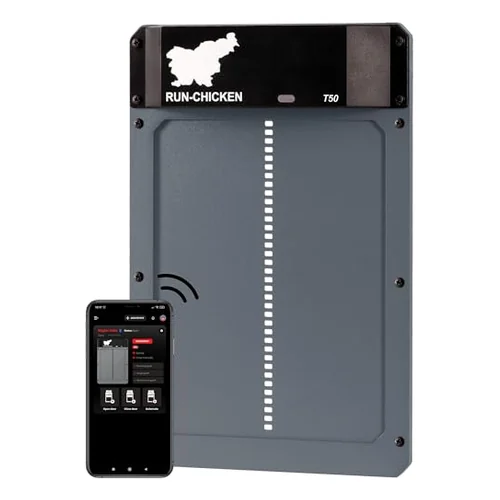
An automatic coop door
Shuts the flock in at dusk when you're late home. Still count heads.
Top-scored Coop DoorsDoor T50 Automatic Chicken Coop Door72Check priceA beehive kit, suit and smoker
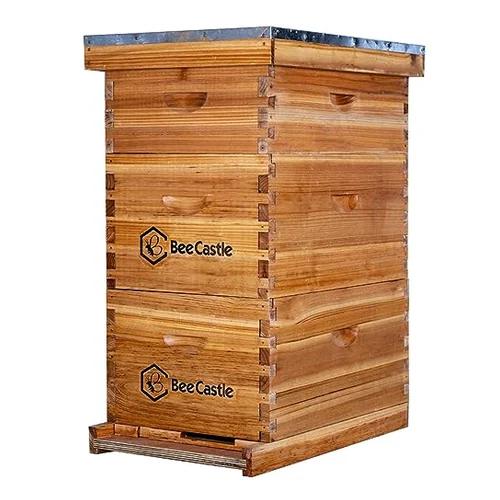
Only once a class, a mentor and a local source of bees are lined up.
Top-scored Beekeeping Gear8 Frame Langstroth Bee Hive, 2 Deep and 1 Medium81$149.99An egg incubator
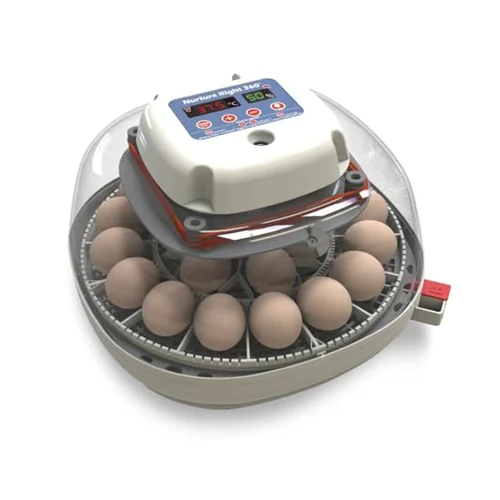
A year-two project. About half of any hatch will be roosters, which many towns don't allow.
Top-scored Egg IncubatorsNurture Right 360 Egg Incubator83$100.51
Scored picks for what you need
Our top-ranked listing in each gear category on the list above — ranked from research, not hands-on testing. An ordinary version you already own works too.
$239.97 is the listed prices of the scored picks — excludes soil, plants and anything you already own.
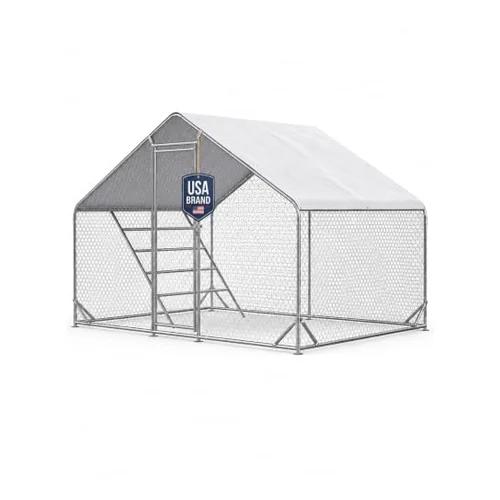
A 9.8 x 6.5 ft walk-in run with a peaked cover and a eucalyptus roost perch. That's about 64 sq ft of floor, run space for roughly six hens.
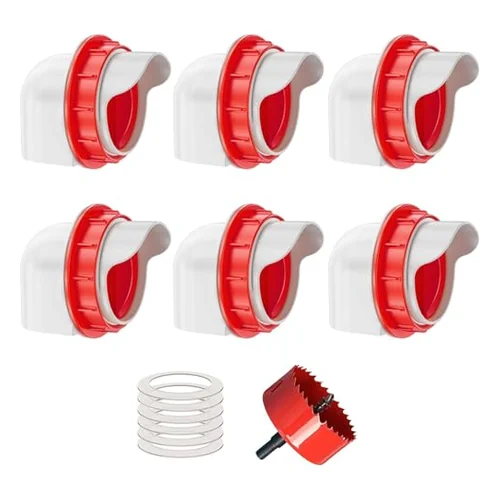
Six downward-facing feed ports that turn a lidded container into a no-waste feeder, with a rain cover, gasket and plugs to close the ports.
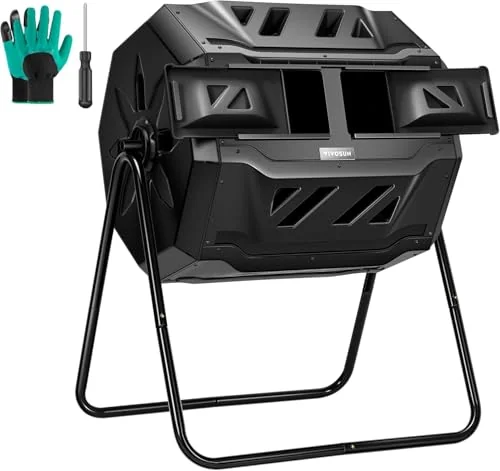
The value tumbler: same dual-chamber, rodent-resistant formula as pricier drums with a bit more capacity, at a noticeably lower price.
Every scored pick for this level: Chicken Coops · Chicken Feeders & Waterers · Automatic Coop Doors · Beekeeping Starter Gear · Egg Incubators · Compost Bins & Tumblers
What's next
There is no Level 7. The path loops now: your hens feed the compost, the compost feeds the beds, and the bees work the flowers. Keep the notebook going, and teach a friend their first pot.