Feed & Defend
Compost the loop closed, and manage pests like an ecologist
Level 4 is where gardening stops being a set of purchases and becomes a system: kitchen scraps and fall leaves become next spring's fertility, and pest control stops meaning panic-spraying and starts meaning identification, thresholds, and the gentlest thing that works. This is the level where your soil starts improving every year instead of depleting.
You're at this level if…
- Something is eating your plants and you want to respond, not react
- You're throwing away bags of scraps and leaves while buying bagged compost
- Your garden runs — now you want it to run on less bought input
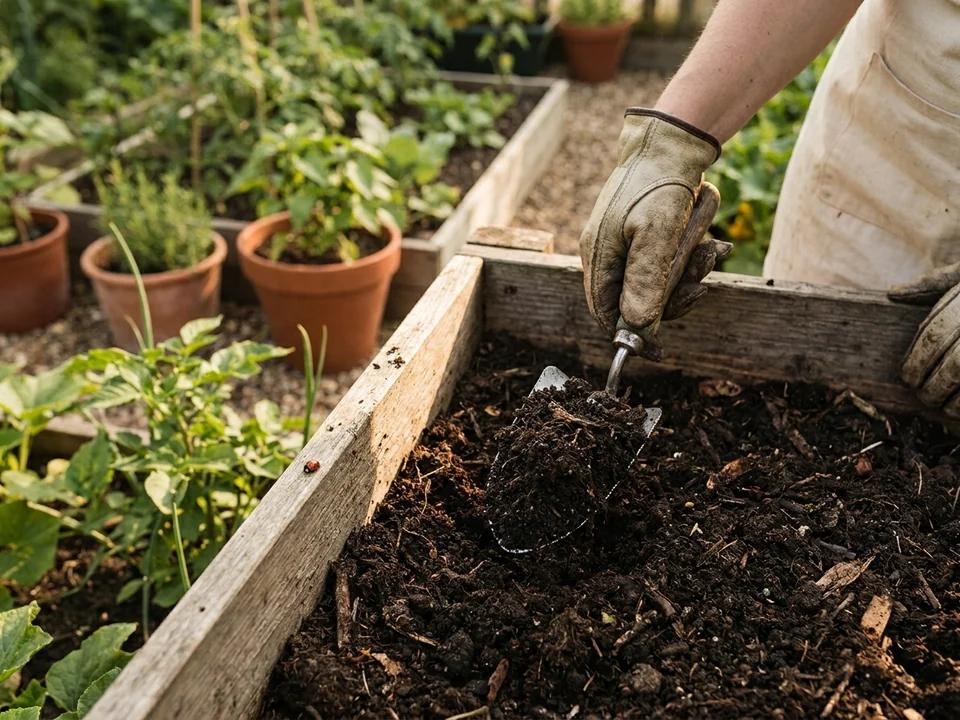
Your next task
Identify one pest before treating it
Turn over the most-chewed leaf in your garden and photograph both sides and the stem. Put a name to the culprit before you reach for any spray.
Your progress
3 milestones finish this level. Tick them off as you go.
See the milestones ↓Saved on this device only. No account.
What this level teaches
4 short lessons, in order. Each ends with one thing to try.
Identify before you treat
Half of what looks like pest damage is water stress, disease or nutrient hunger, and spraying it wastes money while killing the insects that were helping. Find the actual culprit first — leaf pattern, timing, what's on the undersides — and treat the organism you found, not the vibe of the damage.
Try it now: Take the most chewed leaf in your garden, turn it over, and photograph both sides and the stem. Note the date and the time of day you looked. Name the culprit before you reach for anything to spray.
The gentle ladder
Escalate in order: hand-picking and hosing off, then insecticidal soap or neem for soft-bodied insects, then targeted biologicals like BT for caterpillars or iron-phosphate bait for slugs. Each rung solves most of what the previous one missed. The label is law — on dose, on timing, and on what it's actually for.
Try it now: Pick the pest problem bothering you most and write its ladder out in order: hand-picking, then soap or neem, then a targeted biological. Start at the first rung this evening and only climb if it clearly fails.
Hot pile, cold pile, worm bin
A tumbler turned weekly with a fair browns-to-greens balance makes usable compost in a season; a static pile takes a year and forgives everything; a worm bin lives happily indoors or anywhere that stays mild and turns scraps into the best amendment money can't buy. Pick the one that matches your patience, not the one with the best marketing.
Try it now: Answer one honest question on paper: would you turn a tumbler every week for a whole season? A yes points to the tumbler, a no points to a static pile or a worm bin. That answer picks your setup.
Browns are the bottleneck
Everyone has greens — scraps, clippings, spent plants. Compost stalls and smells for lack of browns: dry leaves, straw, shredded cardboard. Hoard fall leaves like currency, because a bagged-leaf stockpile in October is what keeps the pile working through the whole next summer.
Try it now: Gather a bag of dry leaves, straw or shredded cardboard today and stash it where the compost will live. Having browns on hand before you have scraps is the difference between compost and a smelly heap.
The mistakes everyone makes here
Spraying broad and asking later
A broad-spectrum spray at the first hole in a leaf takes out pollinators and predator insects, and three weeks later the pest is back with no natural enemies waiting. It's the payday loan of pest control — instant relief, compounding cost.
Expecting the tumbler to be a magic box
A tumbler stuffed with wet scraps and never enough browns produces sludge, not compost, and reviews blaming the drum for it are a whole genre. The ratio and the turning are the product; the tumbler is just the container.
What Level 4 needs
Level 4 gear is consumables and one container: a composter matched to your patience, and a small shelf of gentle controls — soap, neem, BT, slug bait — bought before the emergency so the gentle option is on hand when the panic hits. This is the level where the garden starts paying you back in free fertility.
What you need
4 thingsA place for compost
A static pile costs nothing. A bin or tumbler keeps it tidy and faster to manage.
Scored picks: Composters →A stash of browns
Dry leaves, straw or shredded cardboard, gathered before the kitchen scraps pile up.
A gentle control on the shelf
Insecticidal soap or neem, bought before the emergency so the mild option is on hand.
Scored picks: Pest Control →Your phone camera
Close-up photos of leaves and stems are how you identify a pest, and how you ask for help.
Already have something that does the job? Use it — none of this needs to be new.
Scored picks for what you need
Our top-ranked listing in each gear category on the list above — ranked from research, not hands-on testing. An ordinary version you already own works too.
$90.48 is the listed prices of the scored picks — excludes soil, plants and anything you already own.
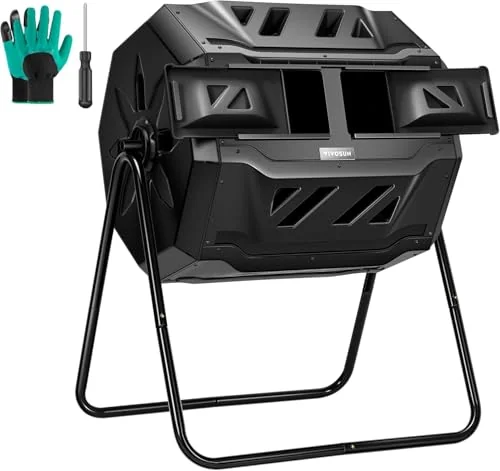
The value tumbler: same dual-chamber, rodent-resistant formula as pricier drums with a bit more capacity, at a noticeably lower price.
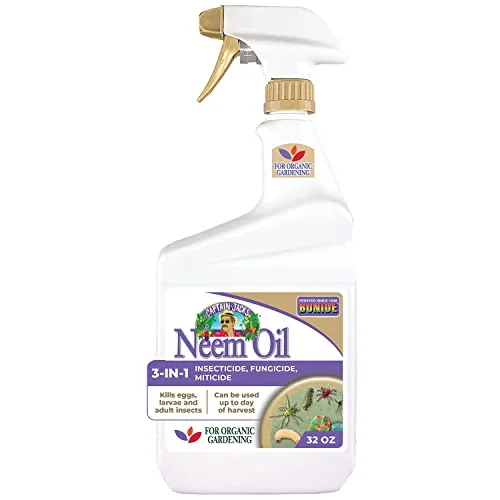
The most versatile first bottle: a ready-to-use neem spray whose label covers common soft-bodied insects, mites, and several fungal diseases in one product.
Every scored pick for this level: Compost Bins & Tumblers · Garden Pest & Disease Control
Guides for this level
How to Mulch Leaves With a Lawn Mower (and Skip the Rake)
Mulch fall leaves into your lawn instead of raking: mower settings, how many leaves a lawn can absorb, and where the surplus goes, per extension research.
5 min read
How to Improve Clay Soil: A Realistic Beginner Plan
Test for clay soil, why compost beats sand, broadfork vs tilling, mulch as the slow fix, raised beds as the shortcut, and a realistic multi-year timeline.
5 min read
How to Get Rid of Aphids on Plants: The Gentle Ladder
Aphids on your plants? Start with a hose blast, not a spray. A step-by-step escalation ladder, when not to spray, and how to stop them coming back.
5 min read
Worm Composting for Beginners: A Simple Bin Setup Guide
How to start a worm bin that never smells: red wigglers, bedding, moisture, what to feed and never feed, plus fixes for flies, escapees and wet sludge.
5 min read
Composting for Beginners: Browns, Greens, and Bins
A plain guide to home composting: browns vs greens, what never goes in, tumbler vs static vs worm bin, smell fixes, and how to tell when it is done.
5 min read
What's next
Your garden now feeds itself and defends itself. The last frontier is the calendar — growing when the season says no. That's Level 5.